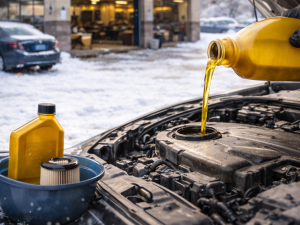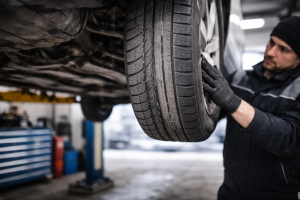
Winter car care in Calgary is not simply a matter of convenience — it is a necessity for vehicle survival. Calgary’s winters are uniquely demanding, combining sub-zero temperatures, dry cold air, sudden Chinook temperature swings, snow accumulation, and icy road conditions. These environmental factors create mechanical stress that many drivers underestimate, particularly when it comes to transmission performance and overall drivetrain reliability.
Unlike moderate winter climates, Calgary’s cold weather directly affects fluid viscosity, component tolerances, sealing systems, battery efficiency, and electronic behavior. Vehicles that perform flawlessly in warmer seasons can begin exhibiting delayed shifting, rough engagement, warning lights, or drivability issues once temperatures plunge. From a professional automotive standpoint, winter car care in Calgary should be approached proactively rather than reactively.
As local transmission specialists working with Calgary drivers year after year, we consistently observe the same cold-weather failures, maintenance oversights, and preventable breakdowns. Understanding how extreme cold influences your vehicle — especially your transmission — can prevent costly repairs and unexpected winter headaches.
Why Winter Car Care in Calgary Requires Special Attention
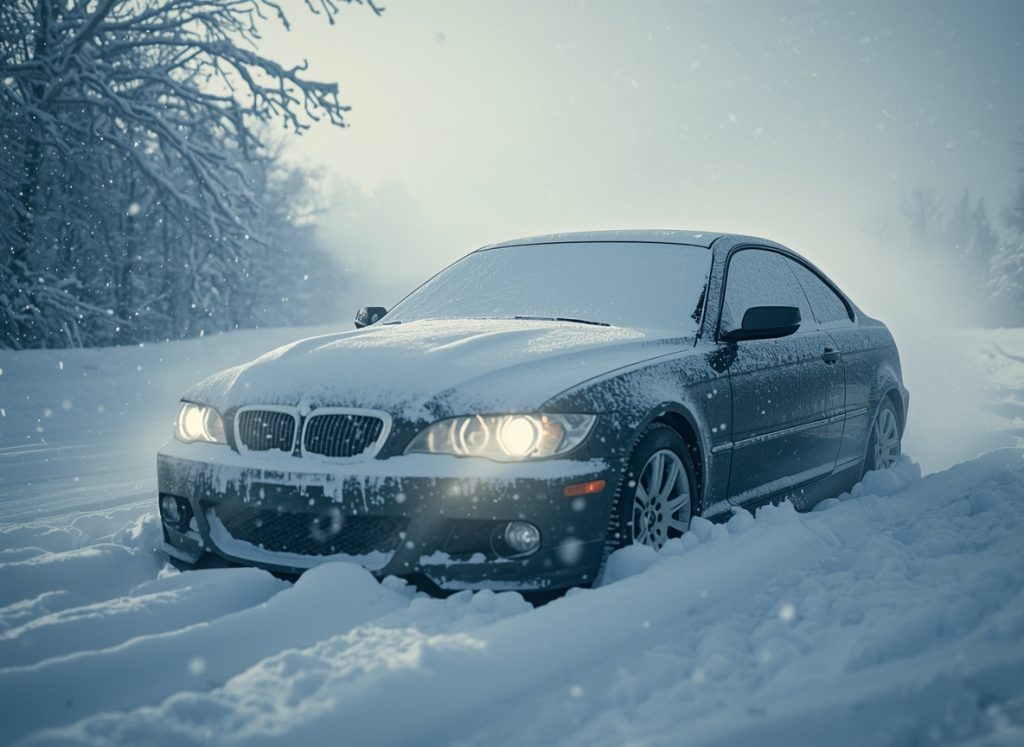
Calgary’s winter conditions behave differently from many other Canadian regions. While low temperatures alone pose challenges, the real complexity lies in rapid fluctuations and prolonged cold exposure. Mechanical systems expand and contract repeatedly, lubricants behave differently, and electronic systems must operate under thermal stress.
From an engineering perspective, your vehicle is a system of interconnected components rather than isolated parts. When winter affects one area — such as transmission fluid flow — secondary effects often appear elsewhere, including drivability, fuel efficiency, and wear patterns. Drivers often assume winter problems occur suddenly. In reality, most cold-weather issues are gradual and predictable.
Read More: How to Prepare Your Car for Calgary Winter
Common Cold-Weather Problems Observed in Calgary Vehicles
The following mechanical patterns are extremely common during Calgary winters. These are not theoretical scenarios but everyday service findings seen across passenger vehicles, SUVs, and light trucks.
Delayed Transmission Response
Cold temperatures significantly thicken transmission fluid, particularly during morning starts. Thickened fluid circulates more slowly, which may produce delayed gear engagement or sluggish shifting behavior. Many drivers mistake this for serious failure, yet it often indicates temperature-related fluid dynamics.
Hard or Rough Shifting
Extreme cold can alter hydraulic pressure behavior inside automatic transmissions. This may result in firmer or less predictable shifts until the system reaches operating temperature. Repeated exposure without proper maintenance accelerates internal wear.
Increased Mechanical Noise
Cold weather can temporarily amplify drivetrain sounds. Seals stiffen, lubricants move sluggishly, and metal components contract. While some noise is normal, persistent changes warrant inspection.
Read More: Early Warning Signs You Should Never Ignore
Winter Car Care in Calgary: 9 Critical Cold-Weather Impacts on Your Vehicle
Understanding specific risks allows drivers to make smarter maintenance decisions. Calgary winters create several predictable mechanical stressors.
Before listing them, it’s important to recognize that winter damage is rarely dramatic at first. Small inefficiencies compound over time.
1. Transmission Fluid Thickening
Transmission fluid is highly temperature-sensitive. In freezing conditions, viscosity increases, reducing lubrication efficiency and hydraulic responsiveness. This directly affects shift quality, component protection, and internal pressure stability. Ignoring fluid condition during winter often leads to premature wear rather than immediate failure.
2. Seal and Gasket Contraction
Rubber seals contract and stiffen in cold environments. Minor shrinkage can create microscopic gaps, increasing the likelihood of leaks or pressure irregularities. Even high-quality sealing systems degrade faster under repeated freeze cycles. Small leaks in winter frequently evolve into major repairs later.
3. Battery Performance Reduction
Cold weather dramatically reduces battery output. Modern vehicles rely heavily on electronics, sensors, and control modules. Weak batteries may trigger warning lights, erratic shifting behavior, or startup issues. Battery health is a critical but commonly neglected aspect of winter care in Calgary.
4. Increased Engine and Drivetrain Load
Cold starts demand greater mechanical effort. Fluids circulate slowly, tolerances tighten, and combustion efficiency temporarily drops. This increases stress across interconnected systems, including the transmission. Repeated cold stress accelerates wear patterns.
5. Thermal Cycling from Chinooks
Calgary’s Chinook winds create rapid temperature swings. Materials expand and contract repeatedly, placing stress on fasteners, seals, and housings. This unique regional phenomenon contributes to mechanical fatigue. Thermal instability is a hidden but powerful wear factor.
6. Lubrication Delays
Cold lubricants require more time to reach optimal flow characteristics. During this window, friction increases. This affects not only the engine but transmission components and driveline assemblies. Short trips worsen this effect significantly.
7. Electronic Sensor Sensitivity
Modern transmissions depend on electronic inputs. Extreme cold can influence sensor accuracy, electrical resistance, and module behavior. Temporary anomalies may appear even without hardware failure. Diagnostic interpretation becomes critical during winter.
8. Moisture and Condensation Effects
Temperature differentials generate condensation inside mechanical assemblies. Moisture contamination degrades lubricants and accelerates corrosion. This risk increases during repeated short-trip driving. Winter humidity behaves differently than summer humidity.
9. Driver Behavior Under Winter Conditions
Cold weather changes driving habits. Longer warm-ups, aggressive throttle use on icy roads, and frequent stop-and-go traffic all influence drivetrain stress. Human factors often amplify mechanical strain. Winter driving style directly affects transmission longevity.
Preventative Winter Maintenance Strategies
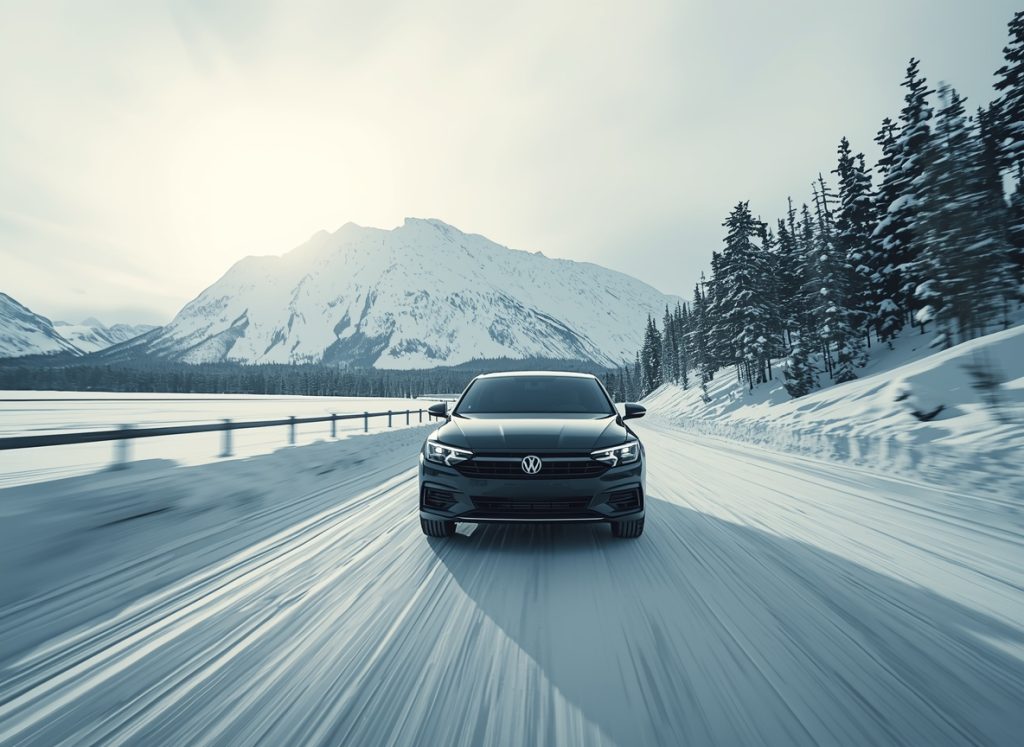
Preventative maintenance remains the most cost-effective defense against winter failures. Calgary’s climate rewards proactive care. Before outlining specific actions, it’s worth emphasizing that winter damage is cumulative. Small adjustments produce meaningful reliability gains.
Essential Winter Vehicle Maintenance Checklist
Proper winter preparation requires attention to multiple systems. Each contributes to overall reliability.
- Inspect transmission fluid condition and level
- Test battery health and charging system performance
- Evaluate seals, hoses, and visible leak points
- Confirm proper tire condition and pressure
- Check heating, defrosting, and visibility systems
These inspections may appear routine, yet they directly influence cold-weather survivability. Vehicles entering winter without baseline evaluation statistically experience higher failure rates. Early detection prevents expensive emergencies.
Driving Habits That Protect Your Transmission in Winter
Driver behavior significantly influences winter performance. Mechanical sympathy becomes essential in cold climates.
- Allow gentle warm-up periods
- Avoid aggressive acceleration when fluids are cold
- Minimize short trips where possible
- Respond promptly to unusual shifting behavior
- Address warning lights without delay
Cold mechanical systems operate under different constraints than warm systems. Gentle operation during warm-up reduces friction stress. Consistent habits extend component life dramatically.
Read Guide: Transmission Problems in Calgary: Early Warning Signs You Should Never Ignore
Pro Tips from Calgary Transmission Specialists
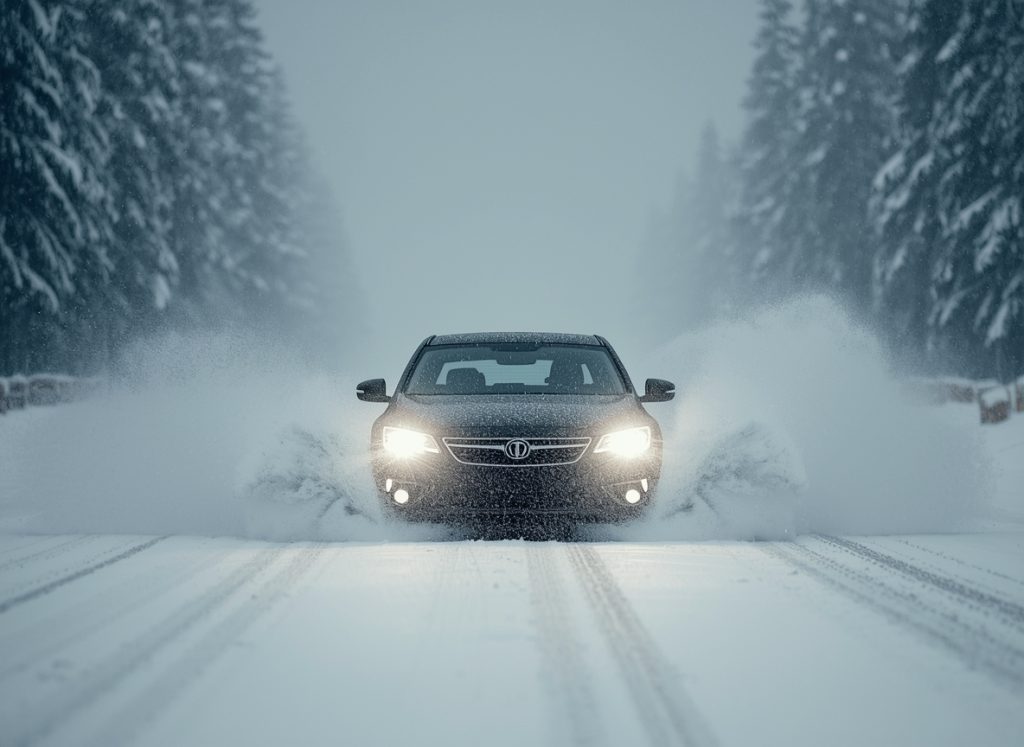
Professionals working in Calgary winters develop practical heuristics based on real-world failure patterns.
- Prioritize fluid health over cosmetic concerns
- Fluids govern internal protection. Cold climates amplify fluid-related problems.
- Never ignore subtle behavioral changes
- Minor hesitation, vibration, or noise often signals early-stage issues.
- Winter magnifies existing weaknesses
- Cold rarely creates defects; it exposes them.
- Invest in diagnostics, not guesswork
- Modern vehicles require data-driven evaluation.
FAQ: Winter Car Care in Calgary
Why does my transmission feel different in extreme cold?
Cold temperatures alter fluid dynamics and hydraulic behavior. Temporary changes are common, but persistent symptoms warrant inspection.
Should I warm up my vehicle before driving?
Yes, but moderation is key. Extended idling is unnecessary, yet brief stabilization improves lubrication.
Can winter damage my transmission permanently?
Yes. Repeated cold stress without maintenance accelerates wear and fluid degradation.
Are transmission problems more common in Calgary winters?
Absolutely. Temperature extremes expose fluid, sealing, and electronic vulnerabilities.
When should I seek professional diagnosis?
Immediately upon noticing consistent drivability changes, warning lights, or unusual noises.
Bottom Line: Winter Car Care in Calgary Is a Mechanical Investment

Winter car care in Calgary directly influences vehicle reliability, safety, and long-term operating costs. Extreme cold stresses transmission systems, sealing components, batteries, lubricants, and electronics in ways drivers often underestimate. Many winter breakdowns stem not from catastrophic failure but deferred maintenance and misinterpreted warning signs.
From a professional automotive standpoint, successful winter driving depends on preventative care, fluid management, responsible driving habits, and early diagnostics. Vehicles maintained with Calgary’s climate realities in mind consistently demonstrate superior durability and reduced repair frequency.
For drivers uncertain about winter readiness, professional evaluation remains the most reliable safeguard. Climate-specific maintenance strategies outperform generic recommendations.
Book Your Oil Change in Calgary Today
Regular oil changes are one of the simplest and most cost-effective ways to extend your vehicle’s life — especially in Calgary’s climate.
🚗 Apollo Transmission & Automotive – book appointment
📞 Call us today or book your oil change online 403-287-9700
#transmission #engine #car #automotive #mechanic #x #cars #gearbox #gear #parts #speed #partage #truck #autoparts #racing #auto #asot #brakes #passion #transmissionrepair #oilchange #carparts #engineering #oil #s #power #truckparts #t #autorepair #trancefamily