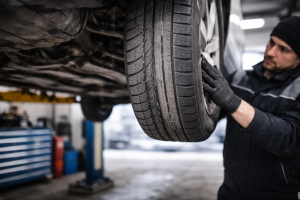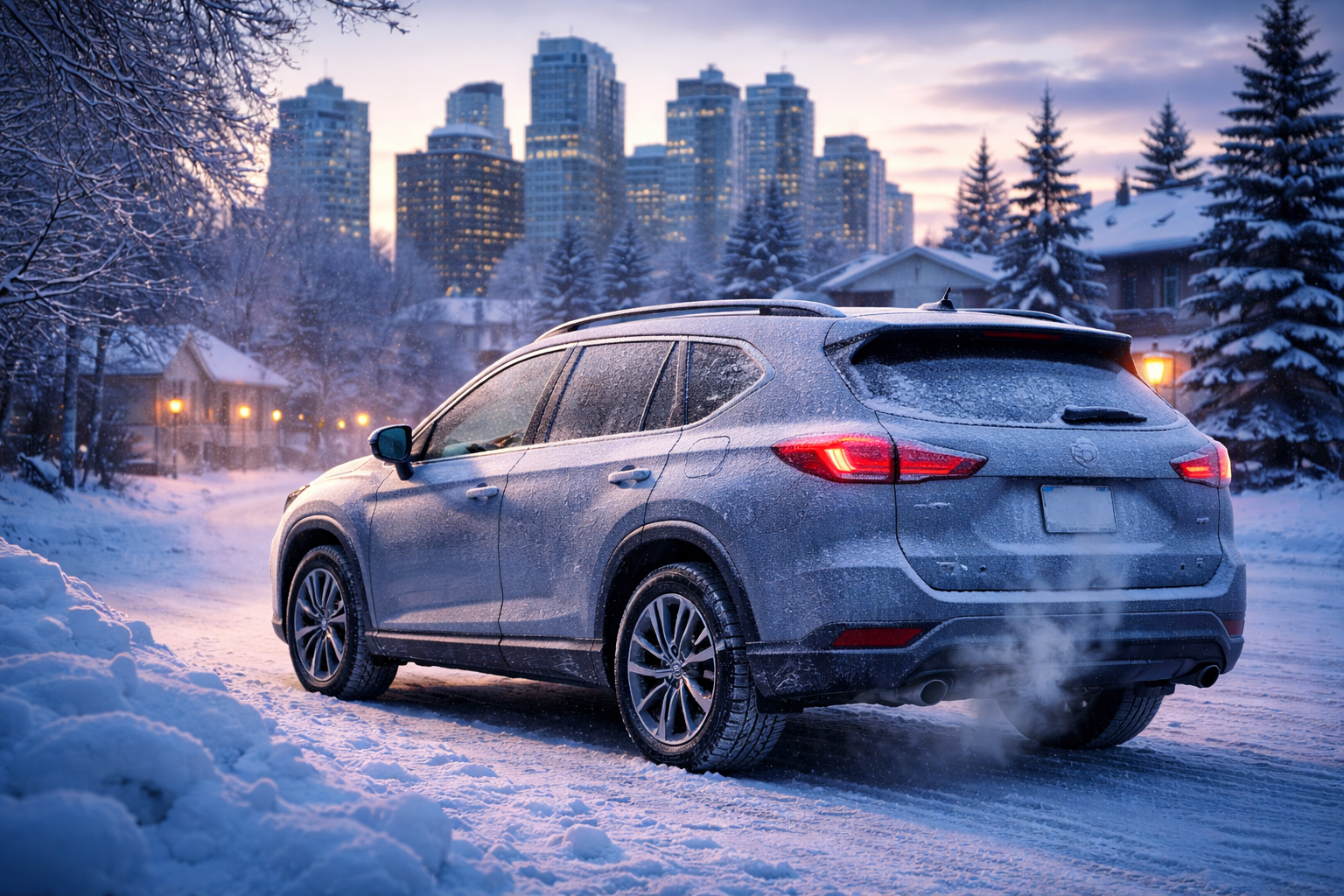
Alberta climate vehicle damage is one of the most underestimated factors affecting vehicle lifespan in Alberta. From -30°C cold starts in Calgary winters to rapid chinook-driven temperature swings, Alberta’s extreme weather conditions place continuous mechanical stress on engines, transmissions, suspension systems, and electrical components. In a climate like Calgary — with cold winters, temperature swings, and heavy commuting — your transmission works under constant stress.
What may seem like “normal wear and tear” is often accelerated deterioration caused by extreme cold car damage, freeze-thaw vehicle damage, road salt corrosion, and high-speed highway exposure.
In this expert guide, we break down exactly how Alberta weather affects cars — and what Calgary drivers can do to protect their vehicles long-term.
1. Extreme Cold Car Damage: Engine & Transmission Stress
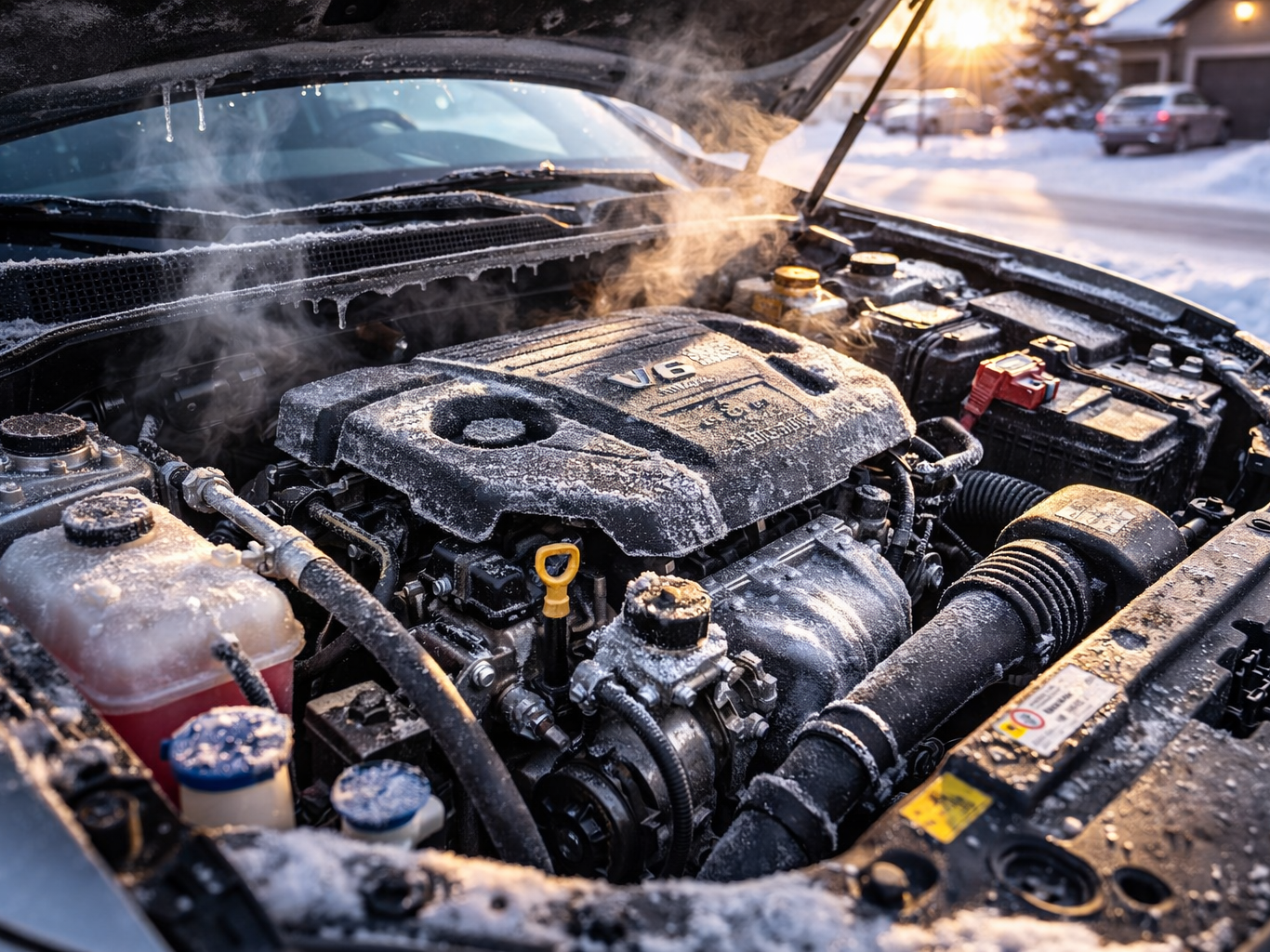
Alberta winters regularly drop below -30°C.
At these temperatures:
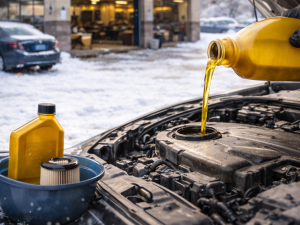
- Engine oil thickens
- Transmission fluid loses optimal viscosity
- Battery output drops 30–50%
- Seals become brittle
Mechanical Impact Table
| Component | Effect at -30°C | Long-Term Risk |
| Engine oil | Thickened flow | Premature engine wear |
| Transmission fluid | Delayed hydraulic response | Clutch pack wear |
| Rubber seals | Hardening | Fluid leaks |
| Battery | Reduced cranking amps | No-start failures |
Cold starts without proper warm-up cycles accelerate internal wear — especially in automatic transmissions common in Calgary commuters.
🧠 Pro Tip:
Use manufacturer-recommended winter-grade fluids and consider a block heater below -20°C.
Read Guide: How Often Should You Change Your Oil in Calgary?
2. Freeze-Thaw Vehicle Damage in Alberta
Few regions experience temperature volatility like Alberta. Chinooks can shift temperatures from -25°C to +5°C within hours.
This freeze-thaw cycling causes:
- Metal expansion/contraction
- Seal fatigue
- Micro-cracking in components
- Accelerated gasket wear
Why It Matters:
Repeated thermal stress weakens structural integrity over time, shortening vehicle lifespan in Alberta by years compared to milder climates. Professional transmission inspection often identifies manageable service needs. Early intervention prevents progressive internal wear.
3. Road Salt Corrosion and Underbody Rust
Calgary winter car damage is heavily linked to road salt exposure.
Salt + moisture + oxygen = electrochemical corrosion.
Areas Most Affected:
- Brake lines
- Fuel lines
- Suspension arms
- Subframe components
- Exhaust systems
Corrosion Risk Comparison
| Province | Salt Exposure | Corrosion Speed |
| Alberta | High | Moderate-High |
| BC (Lower Mainland) | Low | Low |
| Ontario | Very High | High |
Alberta may not match Ontario’s humidity, but repeated freeze-thaw cycles intensify rust formation.
🧠 Pro Tip:
Underbody wash every 2–3 weeks in winter significantly slows corrosion.
Read More: Transmission Problems in Calgary: Early Warning Signs You Should Never Ignore
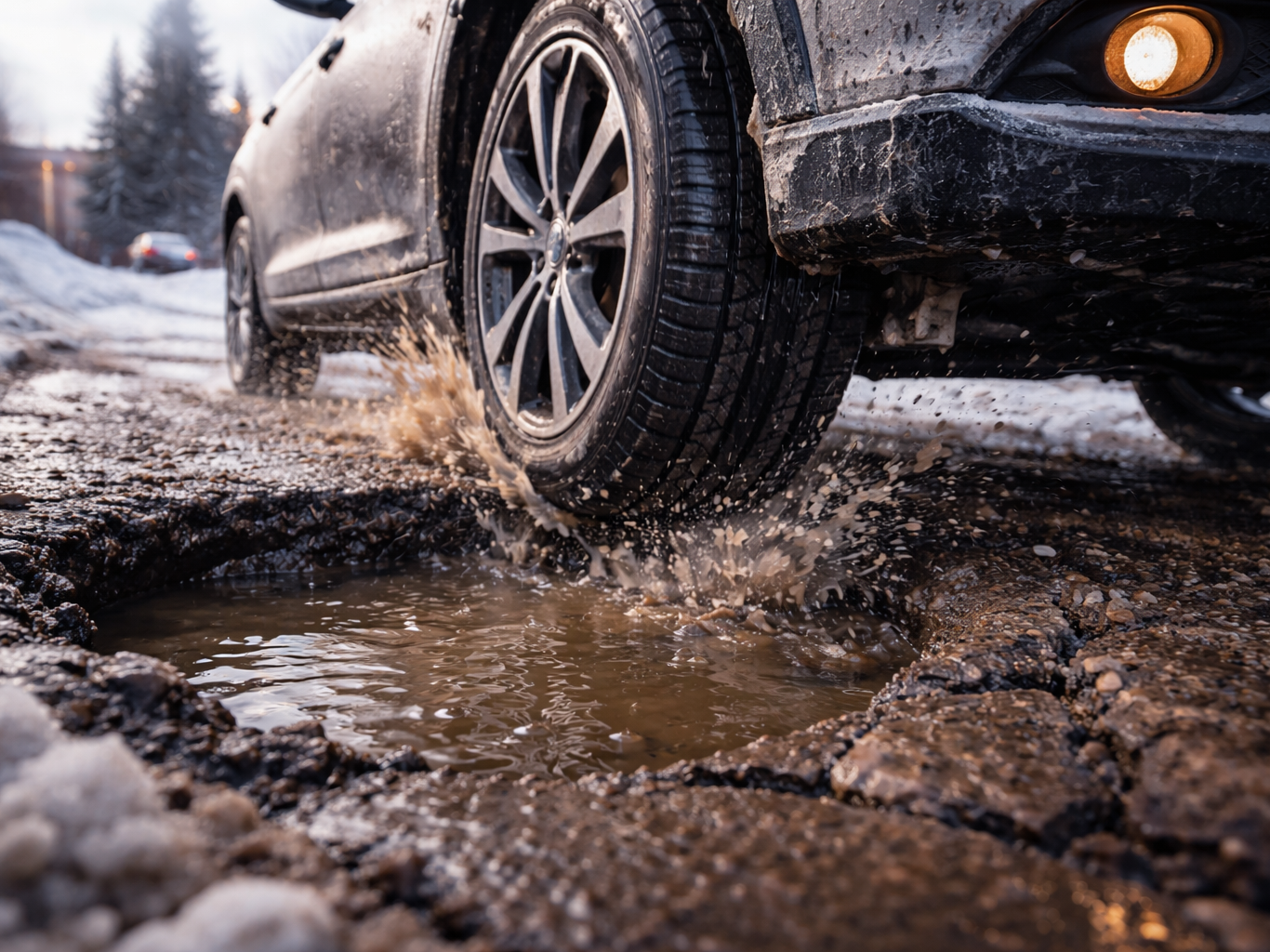
4. Calgary Potholes & Suspension Damage
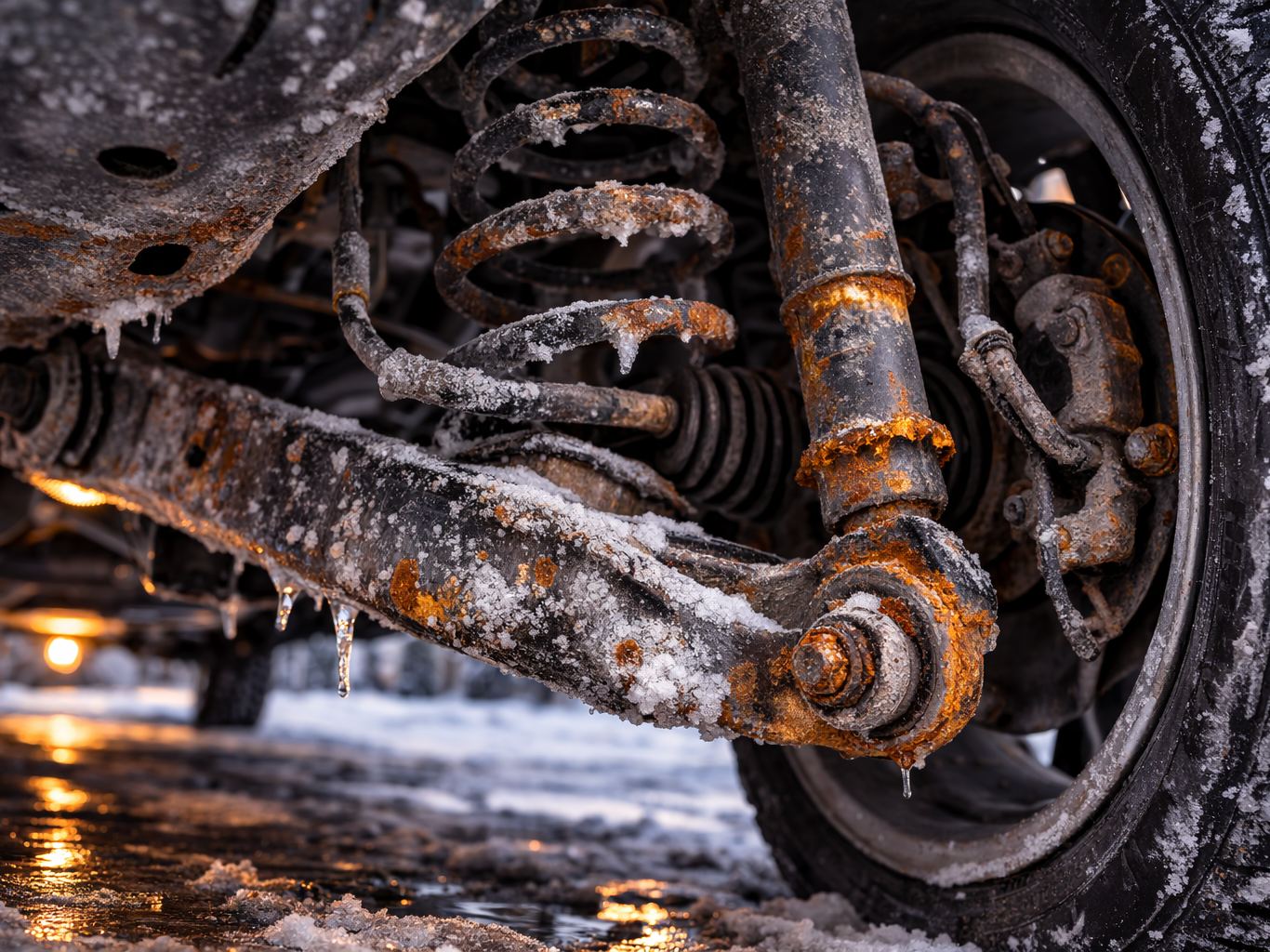
Winter freeze-thaw cycles destroy pavement integrity.
Potholes in Calgary lead to:
- Bent rims
- Misaligned suspension
- Damaged control arms
- Worn struts
- Wheel bearing stress
Even minor suspension misalignment increases tire wear and drivetrain stress.
5. Chinook Pressure Swings & Vehicle Seals
Rapid atmospheric pressure changes affect:
- Transmission vent systems
- Differential breathers
- Cooling systems
Repeated pressure fluctuations can contribute to:
- Fluid seepage
- Moisture intrusion
- Condensation inside systems
Over time, this leads to freeze-related cracking and internal corrosion.
6. Highway Speed & Gravel Exposure in Alberta
Alberta drivers frequently travel long highway distances at high speeds.
Combined stress factors:
- High-speed airflow cooling in winter
- Gravel chip damage
- Increased drivetrain load
Micro-chips in paint expose bare metal → rust accelerates in winter.
Learn More: Ignoring These Transmission Symptoms Could Cost You Thousands
7. Battery Degradation in Alberta Climate
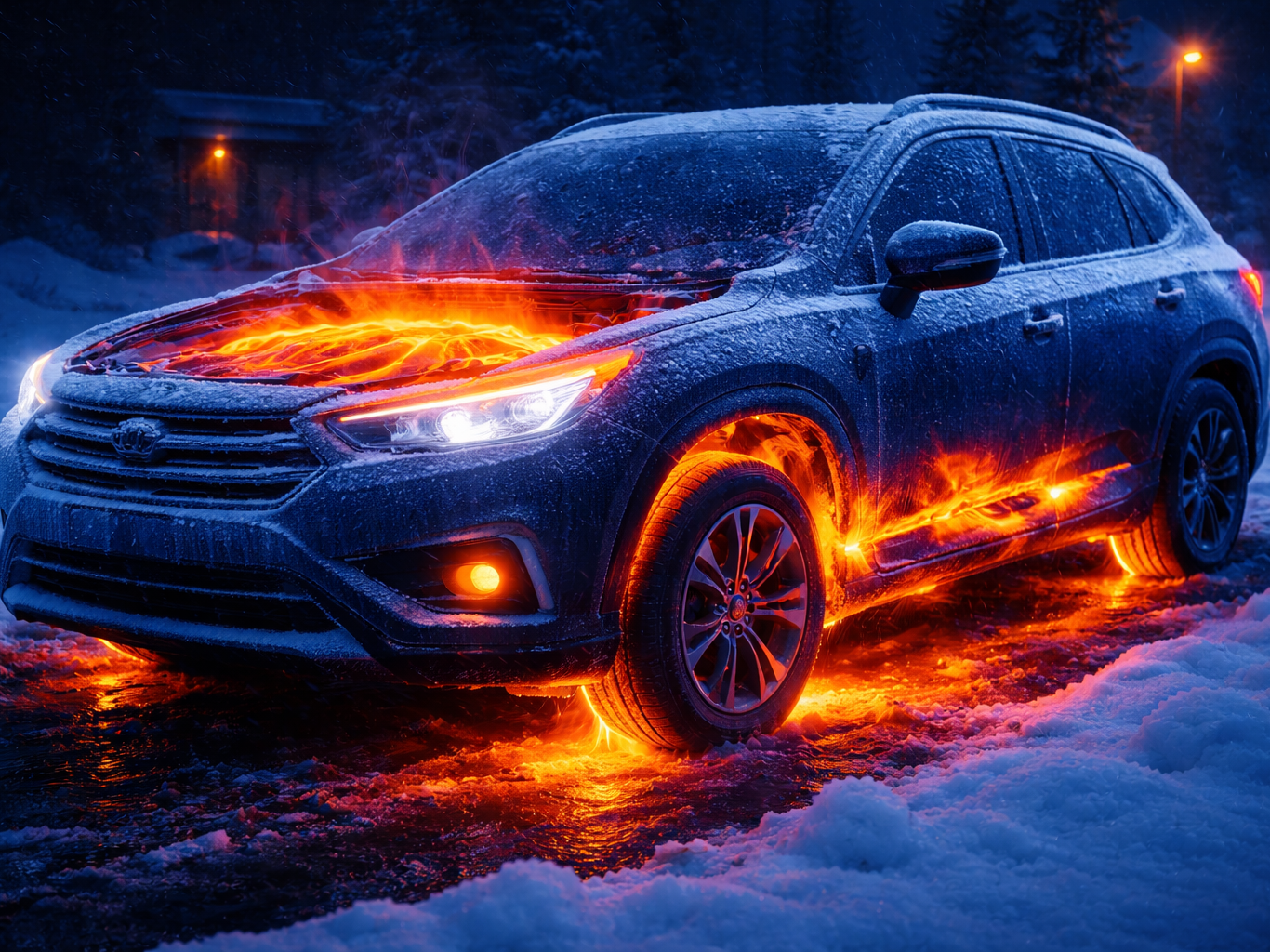
Cold temperatures reduce battery efficiency dramatically.
Battery Performance Chart
| Temperature | Battery Output |
| 20°C | 100% |
| 0°C | 80% |
| -18°C | 60% |
| -30°C | 40–50% |
A weakened battery increases alternator load, indirectly impacting electrical system longevity.
How Alberta Climate Affects Modern Vehicle Electronics
Modern vehicles rely heavily on electronic control modules, sensors, and computer systems. Alberta climate vehicle damage increasingly affects not only mechanical components but also sensitive electronics.
Extreme cold can cause:
- Sensor calibration errors
- Slower module communication
- Dashboard warning light fluctuations
- Intermittent electrical faults
Repeated freeze-thaw cycles also increase moisture intrusion into wiring harnesses and connectors.
| System | Climate Risk | Potential Issue |
| Parking sensors | Moisture intrusion | False alerts |
| ABS modules | Cold-induced voltage drop | Warning lights |
| Transmission control module | Fluid temp fluctuation | Shift irregularities |
| Camera systems | Condensation | Visibility loss |
🧠 Pro Tip:
If warning lights appear only during extreme cold and disappear later, do not ignore them — climate-related stress may be developing into a permanent fault.
9. Transmission Fluid Breakdown in Extreme Cold
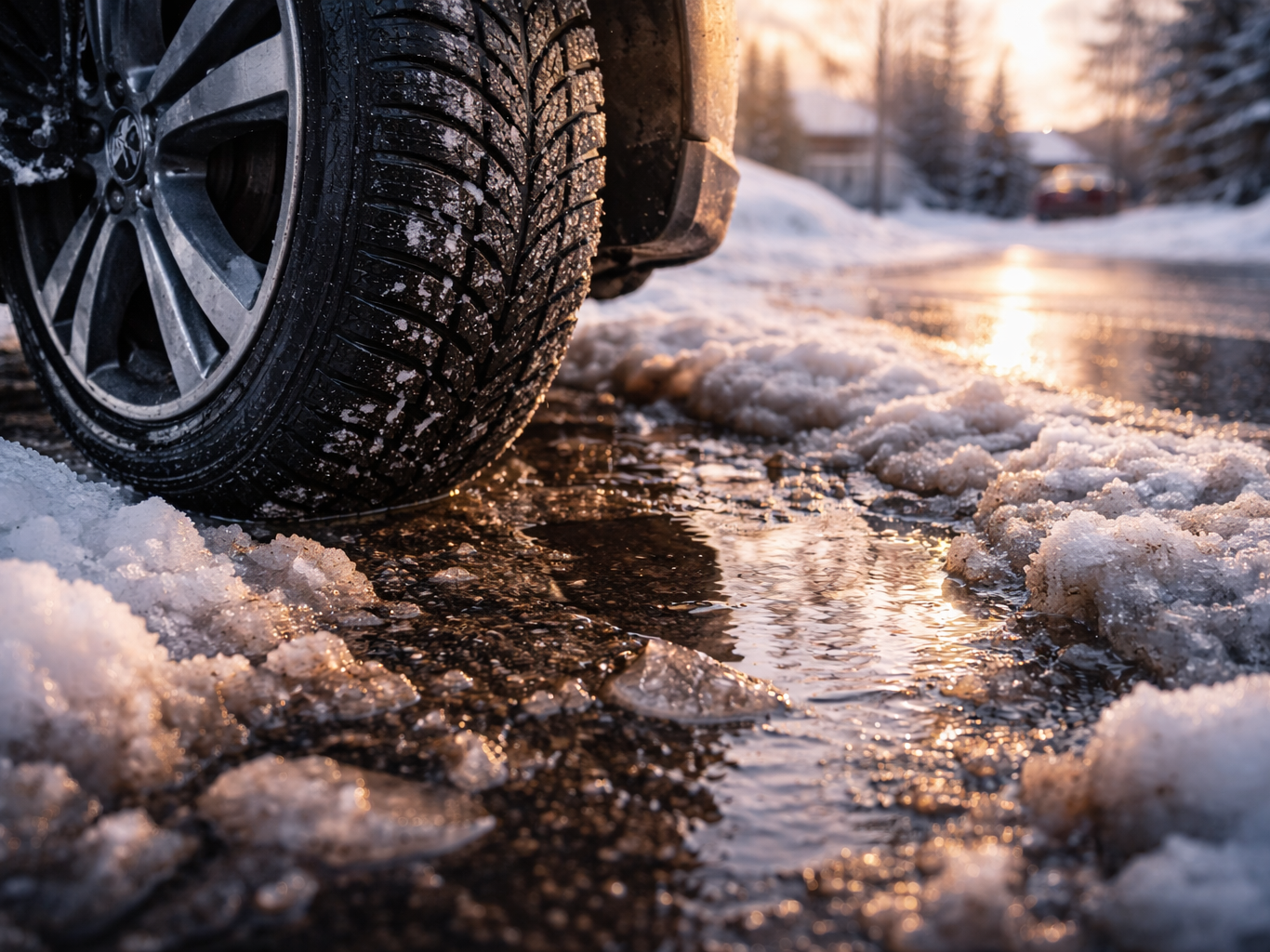
Transmission systems are especially vulnerable to Alberta climate vehicle damage.
Cold fluid = delayed hydraulic engagement.
This causes:
- Harsh shifting
- Increased clutch wear
- Torque converter stress
In stop-and-go Calgary winter traffic, the strain multiplies.
10. Shorter Overall Vehicle Lifespan in Alberta
Studies comparing vehicle lifespan in Alberta vs milder climates show increased maintenance frequency and earlier major repairs.
Climate Impact Summary Table
| Factor | Mild Climate | Alberta Climate |
| Engine wear | Standard | Accelerated |
| Transmission lifespan | 250k+ km | 180–220k km (avg) |
| Suspension repairs | Moderate | Frequent |
| Rust formation | Slow | Rapid |
Alberta’s unique climate stress profile reduces average component longevity without proactive maintenance.
Read Guide: How to Prepare Your Car for Calgary Winter
How to Protect Your Vehicle from Alberta Climate Damage
✔ Winterize Properly
Preparing your vehicle before winter is the first line of defense. In Alberta, temperatures can drop below −30°C, which significantly affects fluids, seals, and battery performance. Therefore, using synthetic low-temperature fluids and performing battery load testing is essential.
- Synthetic low-temperature fluids
- Battery load testing
- Seal inspection
✔ Regular Undercarriage Cleaning
Road salt is one of the most destructive elements during Alberta winter. As a result, corrosion accelerates underneath the vehicle long before it becomes visible. Regular undercarriage washing helps prevent long-term structural damage.
✔ Suspension Inspections After Winter
Freeze-thaw cycles create potholes that stress suspension components. Consequently, worn bushings and control arms often appear in early spring. A post-winter inspection helps identify hidden damage before it becomes expensive.
✔ Transmission Fluid Checks
Extreme cold thickens transmission fluid and increases mechanical stress. In addition, repeated temperature fluctuations can affect seals and internal components. Regular transmission service ensures smoother performance year-round.
✔ Annual Comprehensive Vehicle Inspection
Even if no warning lights appear, internal wear may still occur. For this reason, a yearly inspection is recommended for vehicles operating in harsh Alberta climate conditions
Why Vehicles in Alberta Age Faster Than National Average
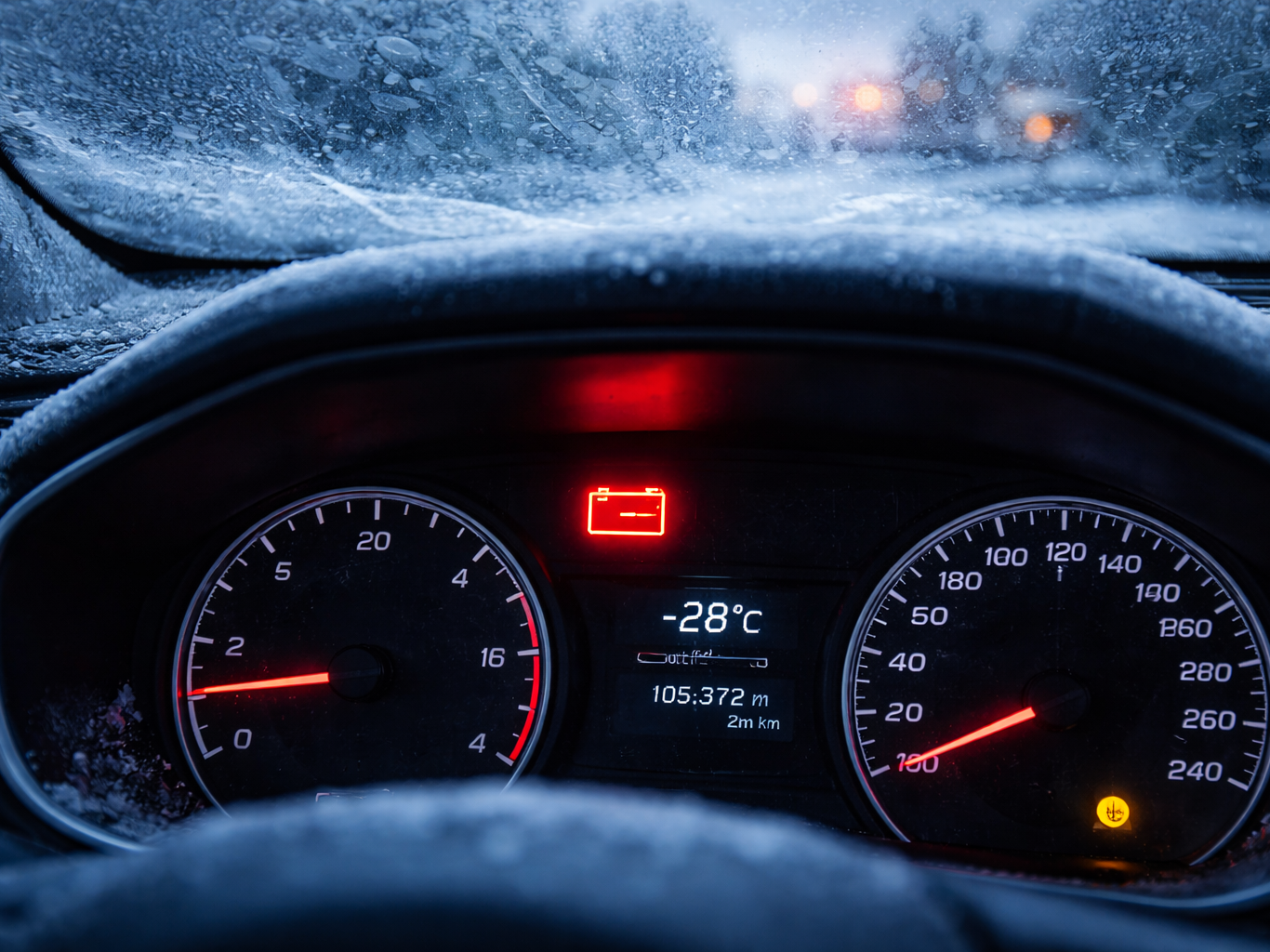
While Canadian vehicles already face challenging climates, Alberta’s unique combination of:
- Extreme cold
- Rapid temperature shifts
- Long highway driving
- High altitude exposure
Heavy winter sanding and salting creates a compounded stress environment.
| Region | Average Vehicle Lifespan | Climate Stress Level |
| BC (Coastal) | 15–18 years | Low |
| Ontario (Urban) | 13–16 years | Moderate |
| Alberta | 11–14 years | High |
Proactive maintenance can significantly offset these climate effects.
Cost of Ignoring Alberta Climate Vehicle Damage
Many Calgary drivers underestimate the financial consequences of climate-related vehicle wear.
Minor issues caused by Alberta weather often escalate if ignored.
📊 Climate Damage Cost Escalation
| Early Symptom | If Ignored | Estimated Repair Range |
| Minor fluid leak | Transmission failure | $3,000 – $6,000 |
| Surface rust | Structural corrosion | $1,500+ |
| Battery weakness | Alternator damage | $800 – $1,500 |
| Suspension misalignment | Tire & steering damage | $1,000+ |
The earlier climate-related wear is identified, the more affordable the repair remains.
Read More: 7 Transmission Problems Calgary Drivers Should Never Ignore (Expert Guide)
Final Thoughts: Alberta Climate Vehicle Damage Is Preventable
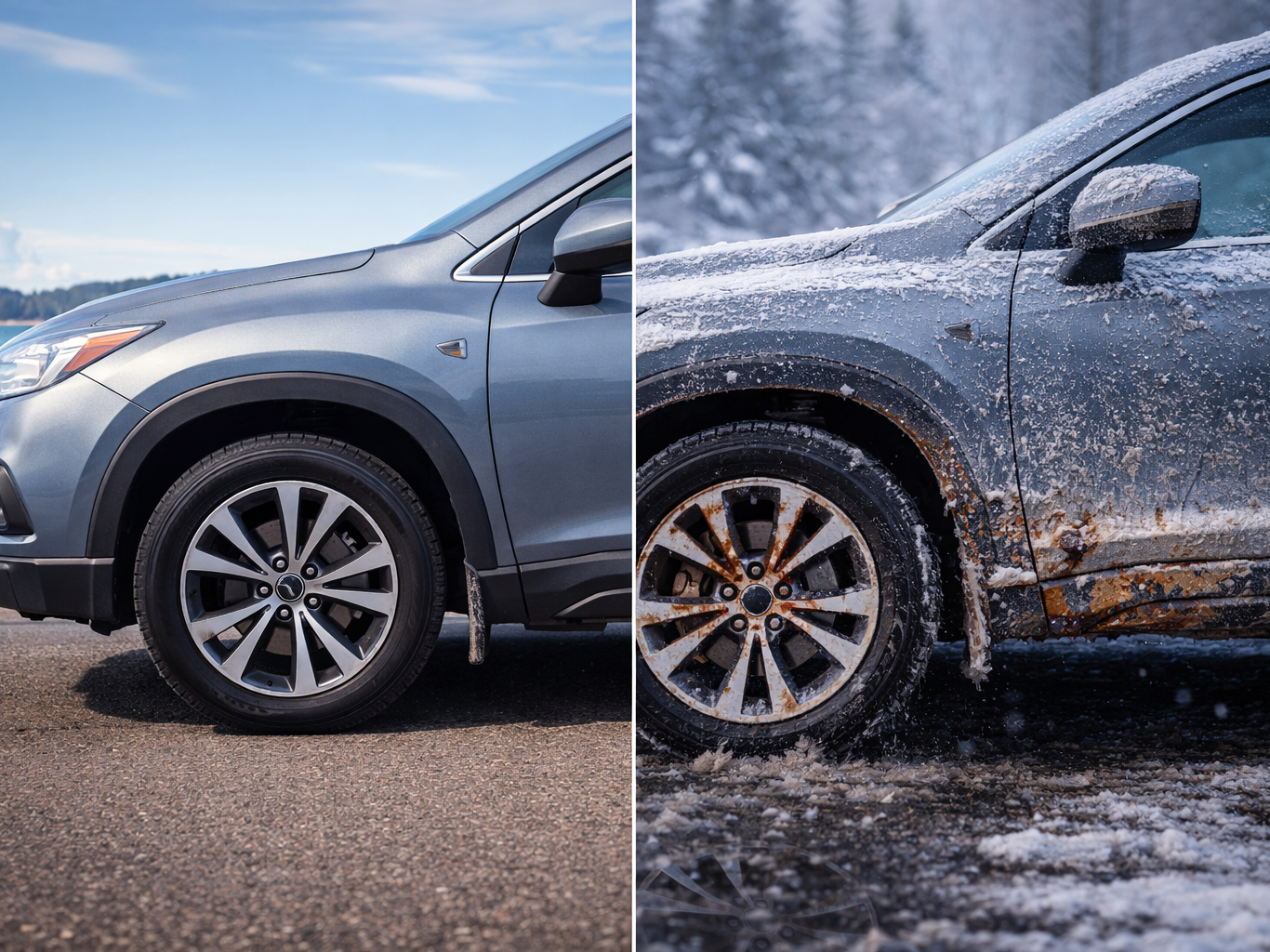
Alberta climate vehicle damage is not just about winter inconvenience — it directly impacts vehicle lifespan in Alberta. Calgary drivers who proactively address extreme cold car damage, freeze-thaw vehicle damage, and road salt corrosion can extend their vehicle’s operational life significantly.
Understanding how Alberta weather affects cars empowers drivers to prevent costly long-term repairs.
Is Your Vehicle Prepared for Alberta’s Extreme Climate?
Book a seasonal inspection today and protect your car from hidden climate-related damage before it turns into a major repair.
#transmission #engine #car #automotive #mechanic #x #cars #gearbox #gear #parts #speed #partage #truck #autoparts #racing #auto #asot #brakes #passion #transmissionrepair #oilchange #carparts #engineering #oil #s #power #truckparts #t #autorepair #trancefamily